


Hiring an office designer is a significant decision. Most businesses only do it once every few years, so there is often little to compare against. The stakes are real. The right designer saves you money and delivers a space that works for years. The wrong one can leave you paying to fix a poor fit-out. Knowing how to choose the right office designer comes down to a few checks and questions. They are straightforward once you know what to look for.
To choose the right office designer, check they have commercial experience rather than only residential experience. Ask to see completed projects similar to yours in size and budget. Get clear on exactly what their fee includes. Ask how they handle the unglamorous parts: acoustics, storage, power and growth. The right designer asks more questions about how your team works than about how you want the office to look.
What to Look for in an Office Designer

Office design covers everything from a single layout drawing to a full design-and-build fit-out, and the right choice depends on the size of the job. If you need a better layout for an existing space, a design service working from plans and photos may be all it takes. If you are moving into an empty unit and need construction, mechanical work and building control involved, you need a designer who works alongside fit-out contractors, or a firm that does both.
It helps to know the basic distinction: a fit-out takes a space from shell to functional, a refurbishment upgrades what is there, and a design service plans either one before work starts. If you are unsure which you are buying, the difference between Cat A and Cat B fit-out is worth ten minutes of reading before you speak to anyone, because it is the vocabulary every quote will use.
Writing down what you need before approaching designers pays for itself several times over. A one-page brief, team size, how people work, what is going wrong with the current space, budget range, timeline, turns every conversation from a sales pitch into an assessment. There is a full walkthrough in how to write an office interior design brief.
Look for Commercial Office Design Experience

Image source: Pinterest
The most common mistake is hiring a talented residential designer for a commercial job. Homes and workplaces are different problems. An office designer has to handle acoustic performance across dozens of people, workstation ergonomics and screen regulations, fire escape routes and accessibility compliance, power and data at scale, and a layout that serves how a business operates under pressure. A beautiful room that fails those tests is not a beautiful office.
So look at the portfolio with a specific question: have they done offices like yours? Similar headcount, similar type of work, ideally a similar budget bracket. A designer whose commercial work is all 200-person headquarters may not be the right fit for a 15-person studio, and the reverse is just as true. Ask what the client’s brief was on one or two portfolio projects and what changed between concept and completion. Designers who can answer in specifics did the work. Designers who talk in generalities may not have.
Questions to Ask an Office Designer Before You Hire

A short interview tells you most of what you need to know about whether you have found the right office designer, if you ask about the right things. These are the questions we would put to any designer, including us.
What exactly does your fee include? The honest answer has edges: number of concepts, number of revisions, whether furniture specification is included, whether they produce drawings a contractor can actually work from. Vague scope now becomes an invoice later.
How do you charge? Fixed fee, percentage of project cost, or hourly. None is wrong, but a percentage fee on a project where the designer also chooses the spend deserves a frank conversation about incentives. Fixed fees are easiest to compare, which is one reason we publish ours, and why we set out the fuller cost picture in office interior design cost UK.
How will you deal with acoustics, storage and power? This question sorts designers faster than any other. The glamorous parts of office design take care of themselves in a portfolio. The difference between an office that works and one that photographs well lives in the boring answers, and a good designer will light up at the question rather than deflect it.
What happens if we grow? Any designer working for a growing business should be able to explain how the layout flexes, where desks are added, what gives way. If the plan only works for the team you have today, it is already out of date, for the reasons covered in designing an office that grows with your business.
Who does the work, and who do we talk to? In larger firms the person who pitches is not always the person who designs. Neither is a problem, but you should know before you sign.
Office Designer Red Flags to Watch For

A few warning signs recur in the projects that go wrong. A designer who presents concepts before asking how your team works is designing for the photograph, not for you. A quote dramatically below the others usually has the missing scope hidden in it. Reluctance to share references from completed projects speaks for itself. And pressure to commit quickly, discounts that expire, diaries that are mysteriously almost full, sits oddly with a service whose whole value is careful planning.
Choosing Between Local and Online Office Design
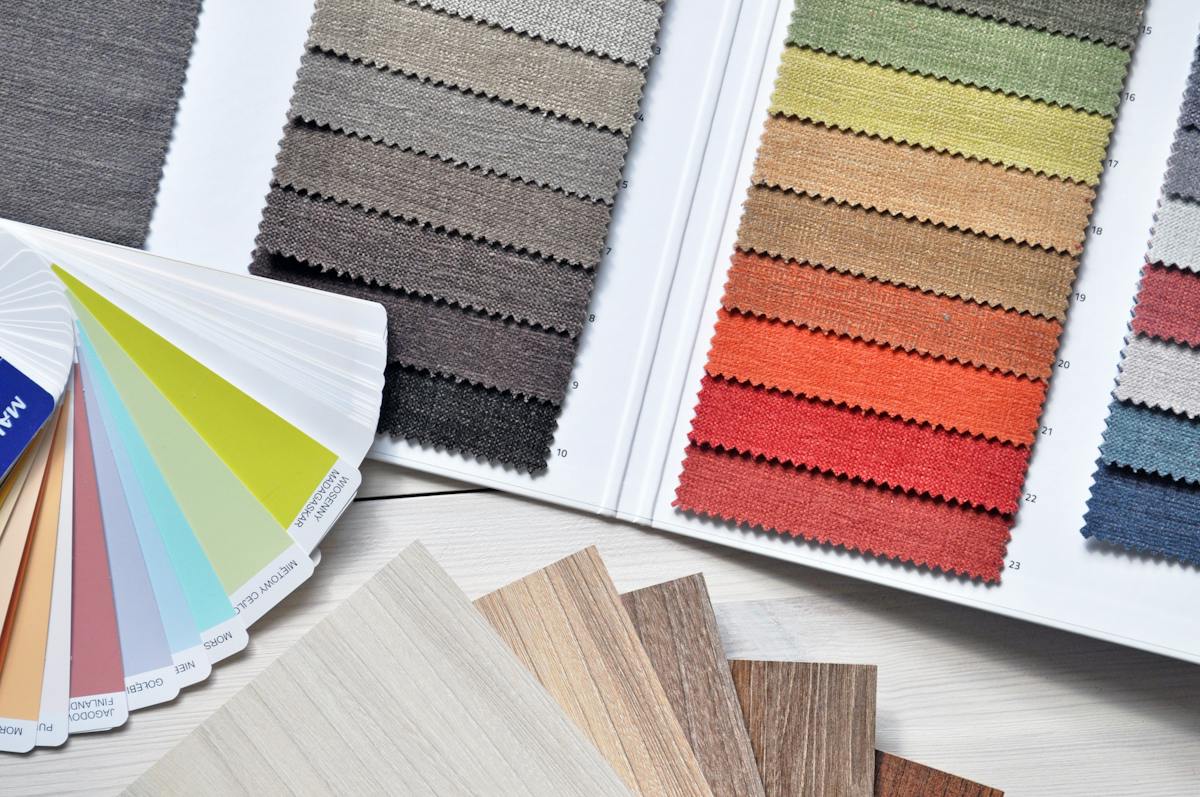
For a full construction fit-out, there is real value in a designer who visits site. For layout, furniture and the design thinking itself, location matters far less than it used to. Online office design works from measurements, photos and video calls, produces the same drawings and visuals, and typically costs meaningfully less because you are not paying for travel and premises. The trade-offs are set out honestly in why choose online office design, and for many small and mid-sized offices the remote model is the better-value route. For complex structural projects, it is not, and a designer who tells you otherwise is selling rather than advising.
What to Expect From the Right Office Designer

Before you commit, the proposal should clearly cover five things. These include the design scope and your deliverables. It should also state the format, fee, exclusions, timeline and revision terms. A vague proposal is not shorter. It simply defers the conversation to a worse moment.
Timelines vary with scale. For context, a small office layout and design package typically takes two to four weeks. A full fit-out from brief to completion usually takes months. A designer who promises a full project in a fortnight is either exceptional or optimistic. Find out which before relying on the date.
How to Choose the Right Office Designer: The Questions Matter

The pattern across everything above is simple. Knowing how to choose the right office designer starts with the questions they ask and how precisely they answer yours. Look for commercial experience on projects like yours. Check for a clear scope and straight answers on the unglamorous details. Look for a plan that can support your growth.
If you want to see how we answer those questions ourselves, our completed projects show the work, and a free consultation costs nothing and commits you to nothing. Bring the hard questions from this article. We would expect nothing less.